The successful brands are those that have managed to define their purpose with precision. This is the work to which we at VitaBella have devoted ourselves for more than twenty years, and the brands that place their trust in us have understood that this is the very sinew of competitive advantage in their markets. The world of wine, first and foremost—it was through counseling some of the best wines in the world, since 2005, that VitaBella first made its name. But not wine alone: cosmetics, niche perfumery, and cigars also number among our fields of expertise.
You are not a Champagne house—you are a travel destination! This is the phrase I repeat, tirelessly, to every Champagne house we advise. Champagne, in truth, did not wait for our era to begin this transformation. Madame Pommery did not content herself with selling champagne: she had kilometers of Gallo-Roman chalk galleries beneath Reims carved into underground cathedrals, then had an Elizabethan château built for her daughter atop the Butte Saint-Nicaise—a residence conceived, from its very inception, as much as an ambassador for the brand as a place to live.
This shift—from product to territory, from object to experience—is not unique to Champagne. It is the shared grammar of every luxury brand that has crossed the decades without hardening into rigidity. Guerlain transformed a perfumer’s craft into an entire universe of well-being, going so far as to open its own spas in palace hotels across the world. Ferrari did the same, moving beyond the status of automaker with the opening of Ferrari World in Abu Dhabi in 2010, becoming a destination brand in its own right—a place where one comes to live speed rather than simply purchase it.
In each of these cases, the brand did not dilute its craft: it identified the deep desire that craft had always served, and it built a territory—physical, narrative, sensory—equal to that desire, which never ceases to evolve from one generation to the next.
Here we must dispel an ambiguity too often encountered in strategy committees. Placing the customer at the center does not mean subjecting the product to their expectations. A great wine is not conceived by survey; it is born of the encounter between exceptional craftsmanship and a singular vision of the world, and it answers to nothing but itself. Everything surrounding that product, however—the welcome, the story, the setting, the ritual of tasting, the memory one carries away—must be conceived from the point of view of the one who will live it. This is where the true transformation lies: not in the contents of the bottle, but in the architecture of the experience that leads to it and that prolongs its memory afterward. A Champagne house that grasps this stops asking « How do we sell more bottles” and begins asking « What journey do we want people to live.” The first question confines ambition to a market. The second opens onto an entire territory—hospitality, gastronomy, art, landscape, legacy—in which champagne becomes the keystone rather than the sole calling card.
To bring every team within the organization to embrace this conviction, this vision, without ever losing the authenticity that built the house’s legend — that, without doubt, is one of the most demanding exercises one can undertake with our clients. It is not a matter of building a hotel for the sake of building a hotel, nor of tacking on a wine-tourism experience as one checks a marketing box. It is a matter of reformulating, at the very summit of the organization, the founding question: What have we come into the world to offer?
The houses that have managed to answer this with clarity have not renounced their original craft. They have elevated it to the rank of a gateway into a vaster, more desirable, and above all more enduring universe—one that no longer depends on a single product, but on a reason for being.
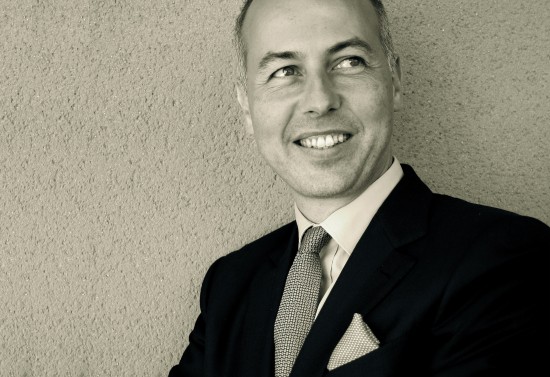
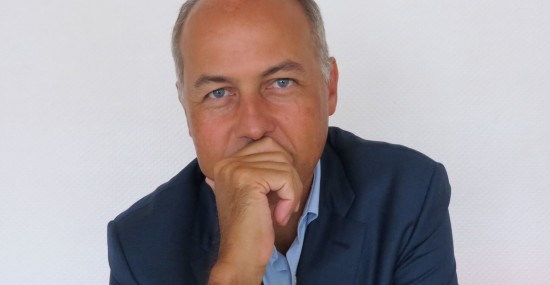
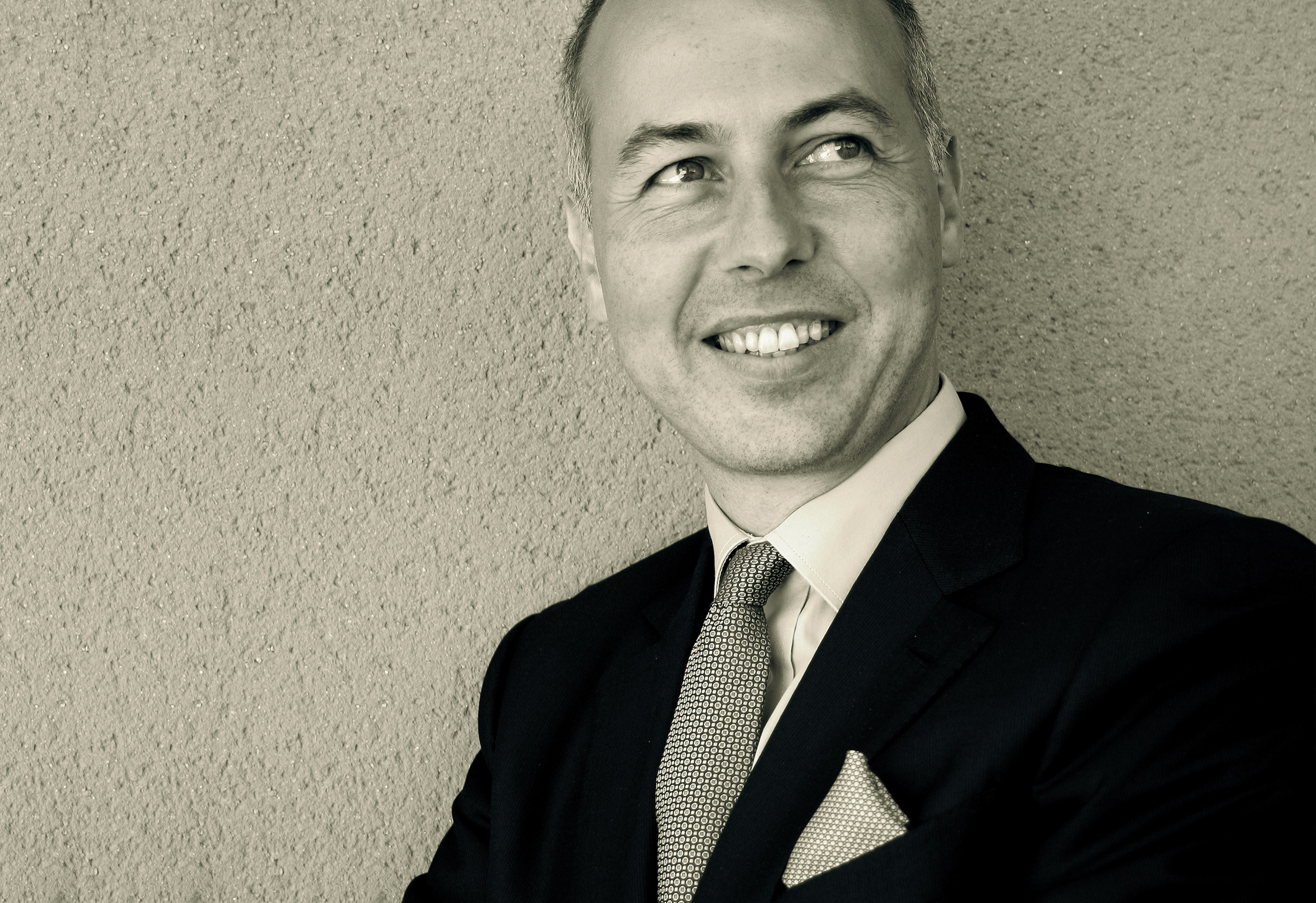
Contact Guillaume Jourdan via LinkedIn